The nanobebe Flexy Silicone Baby Bottle: A Soft-Body Anti-Colic System Worth Understanding
Posted on 2026-08-18 by Jane Smith
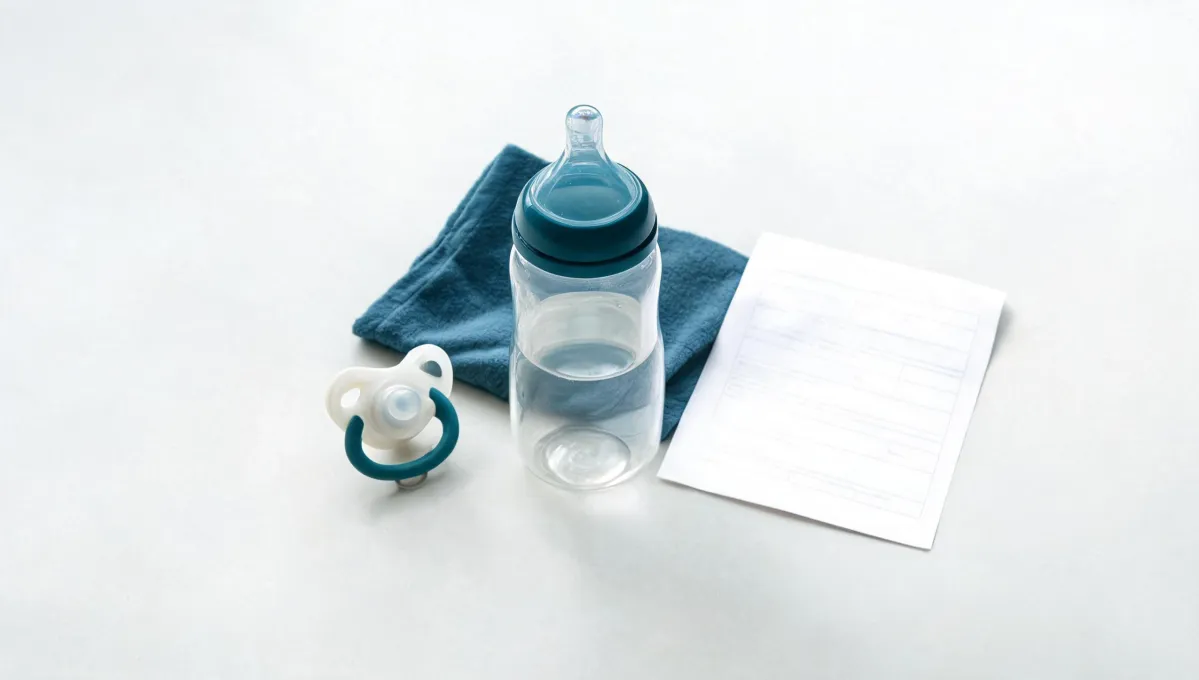
Parents often hear 'silicone bottle' and assume it is a texture preference, a softer feel that some babies happen to like. The nanobebe Flexy Silicone Baby Bottle is not that. It is a soft-body, anti-colic feeding system: the flexible silicone walls let you gently squeeze to pace the milk, which reduces air swallowing, and the bottle comes in 5oz and 9oz sizes to match a baby's growing appetite. The real story is not softness for its own sake; it is flow control and less gas, backed by nanobebe's award-winning anti-colic bottle line.
The Short Answer: What the Flexy Bottle Is (and Isn't)
Many parents first hear about the Flexy Silicone Baby Bottle and file it away as a premium version of something they already own. It is easy to read 'silicone' as a marketing adjective, a softer touch that costs a few dollars more. That reading misses the point. The Flexy bottle is part of nanobebe's award-winning anti-colic line, and its silicone body is load-bearing: the flexibility is what lets a parent control flow. On the official product page, nanobebe lists the Flexy Silicone Baby Bottle 9oz at a sale price from $18.99, right alongside a lineup that includes pacifiers and a wearable pump. The product is not a single gimmick; it is an integrated feeding tool. The soft body matters because it gives the feeder a way to respond to the baby's cues in real time, something a rigid plastic bottle cannot do. So when you see the word 'silicone' here, think function first, texture second.
This article will show what the Flexy bottle actually does, why the design works, and how to choose the right size and accessories. It will not try to sell you on silicone as a lifestyle choice. Instead, it will trace the cause-and-effect chain from a soft bottle body to fewer air bubbles, from the 5oz and 9oz sizes to a feeding plan that changes as your baby grows, and from cleaning habits to safe use. The goal is a practical verdict: whether this bottle earns its place in your routine, and which version makes sense for a newborn versus an older baby. Along the way, we will separate what the design genuinely solves from what still depends on your daily habits, because the bottle is only one part of a feeding system. The cleaning routine you build around it matters as much as the bottle itself. This includes the choice of nipple flow and the decision to add quick-click handles when your baby starts to grip. The bottle becomes a system, and the system is what you are really evaluating.
What Makes the Flexy Silicone Design Work
Why would a bottle company anchor its brand story around nutrients and research? On its about page, nanobebe describes its mission as creating 'thoughtful, research-driven solutions' that support the bond between parent and baby. That language is not decorative. It signals that the company treats feeding as a nutrient-delivery problem, not just a vessel problem. The Flexy bottle is one of the answers to that problem. Its design choices—the flexible walls, the anti-colic structure, the two sizes—are meant to protect the milk and the feeding experience. When a baby swallows less air, the milk goes down more smoothly, and the nutrients stay in the stomach rather than coming back up as gas. The flexible body is not a style choice; it is a mechanism for paced feeding, which is exactly the kind of control that keeps air out of the digestive tract. The research-driven promise sets the frame for why the bottle is shaped and sized the way it is.
The mechanism comes into focus when you look at the product lineup. nanobebe sells the Flexy bottle in 5oz and 9oz versions; the 5oz is listed at $16.99 (regularly $17.99) and the 9oz at $18.99. The smaller size suits early feeds, when a newborn takes only a couple of ounces at a time, while the larger size carries a full feeding for an older baby. The silicone body works with the nipple to control flow: a gentle squeeze on the soft walls pushes milk forward at a pace the baby can handle, and releasing the squeeze pulls back, pausing the flow. That active control reduces the amount of air the baby gulps, which is the core of the anti-colic claim. In a rigid bottle, the only flow control is the nipple hole and gravity; with the Flexy, the caregiver becomes part of the mechanism. The 5oz and 9oz sizes give the same mechanism room to grow, so the bottle can adapt as feed volumes increase.
The Flexy line extends beyond the bottle itself. On the same store page, nanobebe lists the Flexy Bottle Quick-Click Handles in a 2-pack, silicone anti-colic baby bottle nipples, a microwave steam sterilizer, and a slim drying rack. These accessories turn a single bottle into a system. The handles let an older baby hold the bottle independently; the anti-colic nipples regulate flow further; the sterilizer and drying rack support the cleaning routine that any bottle requires. What looks like a product range is actually a workflow: choose the size, attach the right nipple, add handles when the baby is ready, and sterilize after each use. The accessories are not upselling decorations—they are the supporting cast for the core design, and they help explain why the Flexy bottle is positioned as a complete feeding solution. In practice, the quick-click handles attach without tools, and the anti-colic nipples are sold separately so you can match flow to your baby's age. The sterilizer and drying rack are sized to hold the Flexy parts, which means the cleanup routine stays compact even as the system grows.
Why the Flexy Bottle Changes the Feeding Experience
The cause-and-effect chain begins with the bottle's anti-colic designation. On nanobebe's official product page, the Flexy bottle is listed under the 'Award-Winning Anti-Colic Baby Bottles' category, alongside other products in the same lineup. That label is earned through the mechanism described above: fewer air bubbles, calmer feeds. When a baby feeds from a soft silicone bottle, the parent can squeeze gently to match the baby's sucking rhythm, which means less gulping and less swallowed air. Less air in the stomach means less gas, fewer spit-ups, and a more settled baby after the feed. The intermediate step is not the bottle itself—it is the parent's ability to modulate flow in response to the baby's cues. That is why the Flexy is not just a material upgrade; it is a different way of feeding. The bottle becomes a tool for pacing, and pacing is what prevents the air from entering in the first place. That pacing also helps the baby recognize fullness, which supports a more comfortable feeding session overall.
For parents, the practical outcome is less friction in the daily routine. The same product page lists handles, nipples, a rack, and a sterilizer; each addresses a pain point. The quick-click handles snap on when your baby starts to hold the bottle, so you do not need to buy a separate sippy cup transition. The drying rack keeps freshly washed parts organized next to the sink. The steam sterilizer fits into a microwave cycle, which shortens the cleanup process. When these pieces work together, the bottle stops being a fragile special item and becomes a normal part of the kitchen workflow. The result is a feeding system that does not demand a separate set of habits; it slots into the ones you already have. The nipples come in different flow levels, so you can switch as your baby's sucking strength changes. This reduces the number of times you have to stop a feed to adjust the bottle.
That said, the Flexy bottle has limits. It cannot fix every feeding problem. If a baby has a tongue-tie, reflux diagnosed by a pediatrician, or a true milk protein allergy, no bottle design will resolve the underlying condition. The anti-colic mechanism reduces air swallowing, but it does not replace medical advice or occupational therapy for oral-motor issues. The boundary is important because parents sometimes expect a premium bottle to be a cure-all. It is not. What the Flexy can do is remove one variable—excess air—from the equation. If your baby is gassy but otherwise healthy, the soft-body design and paced feeding may make a visible difference. If the gassiness persists despite correct use, the next step is a healthcare provider, not a different bottle. Setting that expectation keeps the product in perspective. It also protects you from over-buying: you can try the 5oz size first, and only invest in the 9oz and accessories when the design proves useful for your baby.
Choosing and Using the Flexy Bottle: A Practitioner's Verdict
Choosing the right size starts with your baby's current feed volume. The 5oz Flexy bottle suits newborns and early months, when a feeding is typically 2 to 4 ounces; the 9oz version covers the period when a full feeding reaches 6 to 8 ounces. If you are unsure, think about how many weeks your baby has been home: a 5oz bottle is enough for the first few months, but a 9oz bottle will last longer and can be used for water or pumped milk later. The nanobebe product page notes that orders include free shipping over $50, and select products are HSA/FSA eligible, which can lower the upfront cost if you pair a 9oz bottle with other essentials like pacifiers or a sterilizer. In practice, many parents start with one 5oz and one 9oz, then add handles when the baby begins to grip. If you plan to breastfeed and pump, the 5oz is often enough for expressed milk feeds, while the 9oz doubles as a storage and feeding container.
Safe use of any silicone bottle depends on a consistent cleaning and sterilization routine. The CDC-aligned guidance from supplemental sources is clear: wash bottle parts in hot, soapy water after every use, rinse thoroughly, and sterilize regularly, especially for babies under three months or those born prematurely. The stakes are real. In 2016, a premature infant developed a life-threatening infection traced to contaminated pump parts, and the CDC published its first formal breast pump cleaning guidelines the following year after a similar case. The lesson applies to bottles as well: leftover milk residue can harbor bacteria like Cronobacter, which thrives in moist environments. The Flexy bottle's silicone parts should be taken apart, washed, and dried on a rack—nanobebe sells a slim drying rack for exactly this purpose—and a microwave steam sterilizer can provide an extra layer of safety without much effort. Cleaning is not a chore to rush through; it is the variable that makes a good bottle a safe bottle. This routine is especially important in the first months.
So here is the verdict. The Flexy bottle is a genuine feeding tool, not a silicone accessory. Its flexible body gives the parent a way to control flow, which reduces air intake and supports the anti-colic promise. The 5oz and 9oz sizes cover the full first year of feeding, and the quick-click handles, anti-colic nipples, steam sterilizer, and drying rack turn the bottle into a complete routine. On nanobebe's official site, the Flexy 9oz bottle is priced from $18.99, a reasonable entry point for a system that can grow with your baby. The caveat is that the bottle only works as well as the routine around it: proper cleaning and nipple-flow selection are part of the product, and no bottle replaces medical advice for persistent feeding issues. If you buy the Flexy as a standalone item and skip the hygiene steps, you are missing the point. If you adopt the whole system, the bottle earns its place on your counter. Start with the size that matches today's feed, add the sterilizer if you are cleaning by hand, and let the design prove itself over a week of calm feeds.
For the parent who wants fewer air bubbles and a feeding routine that adapts as the baby grows, the Flexy system delivers exactly that.

Jane Smith
I’m Jane Smith, a senior content writer with over 15 years of experience in the packaging and printing industry. I specialize in writing about the latest trends, technologies, and best practices in packaging design, sustainability, and printing techniques. My goal is to help businesses understand complex printing processes and design solutions that enhance both product packaging and brand visibility.