Nanobebe Bottles for Breastfed Babies: A Parent's Guide to Flow, Cleaning, and Acceptance
Posted on 2026-08-25 by Jane Smith
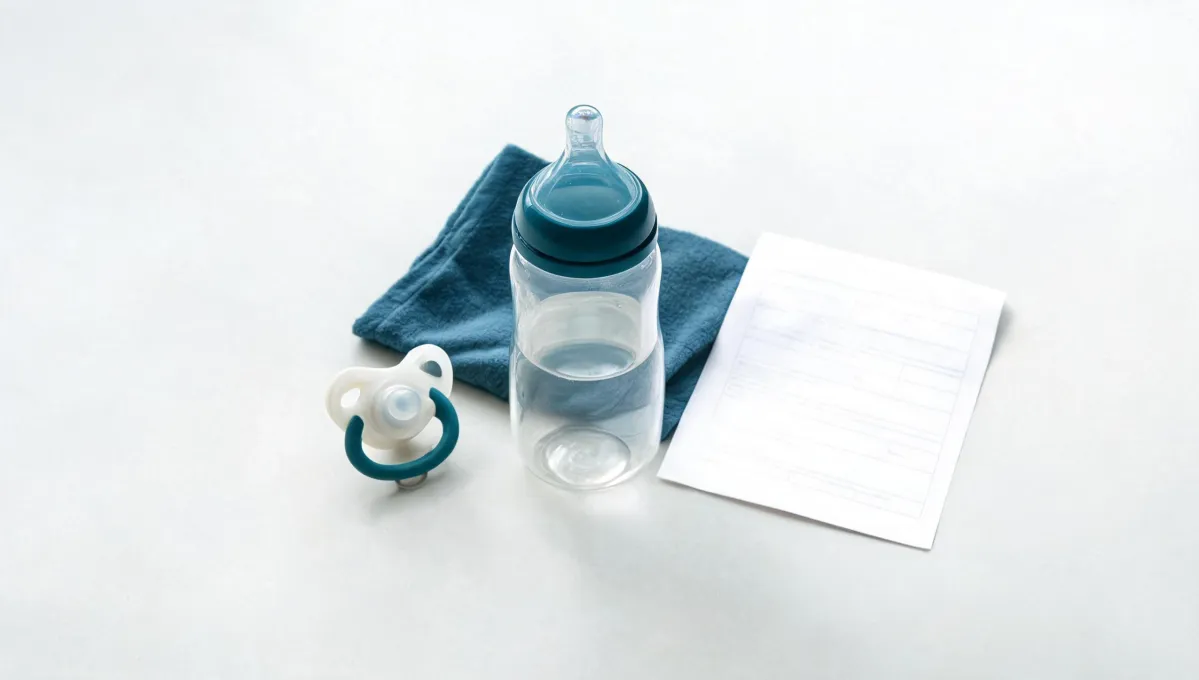
Yes, nanobebe bottles can be a solid choice for breastfed babies—but not because the bottle alone does the work. The brand’s stated mission, built around research-driven design and the promise that “Because Nutrients Matter,” points to a feeding ecosystem that tries to mirror breastfeeding. That said, whether it’s good for your baby depends on two conditions you control: matching the nipple flow to your baby’s age and keeping the bottle scrupulously clean. If you expect the bottle to replace you or to be accepted instantly, you’ll be disappointed. If you treat it as a tool that supports a breastfeeding routine, with the right flow and daily cleaning, it can work well. The verdict is conditional, and the conditions matter more than the bottle itself. Most parents who struggle with bottle refusal aren’t failing at breastfeeding—they’re missing one of these variables.
The Verdict Up Front: Yes, but With Conditions
Let's start with a direct answer: yes, nanobebe bottles can be a reliable part of your breastfeeding toolkit, but they are not a magic replacement. The brand's research-driven mission and its promise that “Because Nutrients Matter” show a clear focus on feeding that mirrors the breast. Yet the bottle's success depends on two conditions you control: the nipple flow must match your baby's age, and the bottle must be kept scrupulously clean. If you expect instant acceptance or for the bottle to take over your role, you will be disappointed. Approach it as a support tool for your nursing routine, and with the right flow plus daily cleaning, it can work well. The verdict is conditional: the conditions matter more than the bottle itself. Most parents who struggle with bottle refusal are not failing at breastfeeding—they are likely missing one of these variables.
When you search for the best bottle for a breastfed baby, you'll see nanobebe's homepage proudly displaying “Award-Winning Anti-Colic Baby Bottles” and a roster of feeding products. That award language doesn't answer the real question, which is not 'Is this a good product?' but 'Will my baby take it, and am I willing to do what it takes?' Most parents conflate product quality with instant baby acceptance. They see a five-star rating and expect the first bottle feeding to go smoothly. The more useful question is: at your baby's current age, which nipple flow matches their feeding rhythm, and can you keep the bottle clean enough to protect a tiny immune system? Defining the problem this way turns a marketing decision into a practical feeding decision. Ask yourself instead whether the bottle will fit your specific situation, not whether it won a prize.
To help you decide, this guide walks through three things: how nanobebe’s wide mouth, silicone texture, and anti-colic features mimic the breast; the two conditions that determine whether it actually works for your baby—flow matching and daily sanitizing; and the realities of transitioning a breastfed baby to a bottle. You’ll finish with a clear verdict and a decision rule you can apply to your family’s situation. But first, let’s look at the design claims, because some of them are genuinely breastfeeding-friendly, and some are just marketing. By the end, you’ll know which features matter, which ones you can ignore, and exactly what to do when your baby gives the bottle a skeptical look. The goal is not to sell you a bottle; it’s to give you a framework you can reuse with any feeding product. And if you're torn between nanobebe and a traditional narrow bottle, you'll also see why the shape alone isn't the deciding factor.
What Makes the Design Breastfeeding-Friendly
Look at nanobebe’s product lineup and you’ll see the Flexy Silicone Baby Bottle in 5oz and 9oz, next to a Breastmilk Bottle warming bowl and breast pump adapters. That lineup isn’t accidental. The Flexy bottle’s wide, rounded body and soft silicone wall are the physical translation of the company’s promise to support the breastfeeding bond. A wide mouth gives your baby room to open wide, the way they do at the breast, instead of compressing the nipple to a narrow spout. This is why many lactation consultants suggest searching for a wide-neck bottle when a baby refuses traditional narrow ones. The available sizes—5oz for newborns and 9oz for older eaters—mean you don’t have to switch systems as your baby grows, and the shape also makes it easier to control the flow by tilting the bottle during paced feeding.
If you’ve ever touched a nanobebe pacifier, you know the silicone has a soft, skin-like give that standard plastic nipples lack. The brand's commitment to 100% silicone is visible in its pacifier line, and the Flexy bottle—whose very name suggests flexibility—is designed to offer a similarly soft, textured feel. That tactile difference matters, because a breastfed baby is used to the stretch and warmth of human skin. A rigid or slippery nipple can trigger a “this is not mom” rejection. The silicone’s flexibility lets the nipple move with your baby’s tongue, reducing that mismatch. It’s not a guarantee, but it removes one common reason for refusal. When your baby latches onto a soft silicone surface, their tongue can cup the nipple the same way it would around the areola, which keeps the feeding motion familiar.
The homepage calls these “Award-Winning Anti-Colic Baby Bottles,” and that label refers to a specific design goal: reduce the air your baby swallows during a feed. When a breastfed baby takes a bottle, they tend to gulp faster than at the breast, which leads to trapped air and fussiness. An anti-colic system—often a vented nipple or internal channel—lets air escape instead of going into the stomach. That’s not a guarantee against every gas pain, but it matters for a baby who’s already adjusting to a different feeding method. For a breastfed baby, less swallowed air means fewer fake hunger cues and less mid-feed squirming, which makes it easier for you to tell when your baby is actually full. That alone can make the bottle feel more like the breast, where the baby controls the pace and pauses naturally.
Condition One: Matching Flow to Your Baby's Age
The product range itself signals that flow matters: you can buy the Flexy bottle in 5oz or 9oz, and there are separate Silicone Anti-Colic Baby Bottle Nipples available in multi-packs. That tells you the system expects you to choose a nipple flow based on your baby’s stage. For a newborn, the safest starting point is the slowest nipple available, because a fast flow can overwhelm a baby who is used to working for milk at the breast. For a baby around three months old, a medium flow may be more appropriate, especially if feedings are dragging on too long. The rule of thumb: match the flow to the baby’s age and feeding cues, not to the bottle’s size. Watch for gulping, coughing, or frequent pauses—those are signs the flow is too fast for your baby.
When you have a brand whose mission explicitly emphasizes research-driven solutions and protecting the parent-child bond, you’re looking at a product designed for the transition period, not just for feeding a baby in a high chair. That matters if you’re returning to work or sharing night feedings with a partner. A bottle that mimics the breast more closely can help your baby accept a bottle without losing the nursing relationship that you’ve built. The brand’s own words—about supporting the bond—are a hint that the design, from the silicone texture to the anti-colic vents, is meant to make the switch less traumatic. Families who use this transition period to keep breastfeeding while adding bottles often find the baby moves back and forth easily, provided the flow and cleaning rules are followed.
But here’s the boundary I want you to remember: no bottle design, however well-executed, overrides your baby’s individual temperament. Some breastfed babies take a nanobebe bottle on the first try; others need five days of practice. The wide mouth and silicone texture remove one obstacle, but they don’t remove pickiness, tiredness, or the fact that a bottle is still a bottle. If your baby refuses, it doesn’t mean the bottle is bad or that you’re doing something wrong—it means you need to slow down, try different flows, and maybe have another adult offer the bottle while you leave the room. This condition boundary is why the next section on cleaning and patience is just as important as the design features.
Condition Two: Cleaning and the Patience Factor
Independent guidance from Exclusive Pumping, which cites the CDC, says sanitizing feeding items at least once daily is particularly important when your baby is younger than 3 months, born prematurely, or has a weakened immune system. For full-term, healthy babies older than 3 months, daily sanitizing may not be necessary if you wash thoroughly after each use. Why does this matter for a nanobebe bottle? Because the bottle has small crevices in the nipple and vent system where milk residue can hide. If you don’t sanitize in those early months, a few microscopic traces of old milk can turn into a stomach upset. The brand’s glowing anti-colic design does you no good if the vent channel isn’t clean. So the rule is: under 3 months, sterilize daily; over 3 months, clean meticulously and sterilize every few days.
The nanobebe system makes flow adjustment easy because replacement nipples are sold separately, as you’ll see in the product catalog. When you notice your baby draining a 5oz bottle too quickly or choking mid-feed, that’s your cue to drop back to a slower nipple. Conversely, if your baby is getting frustrated and turning away from the bottle after a long feeding, a faster flow may be overdue. You’re not locked into one pace forever; a baby who started with a slow flow at two months might need a medium flow by four months. The way to test flow is simple: hold the bottle upside down and watch whether the milk drips, streams, or floods. A gentle drip is typically right for a newborn; a stream is better for an older baby who can handle the faster pace.
Finally, patience is a non-negotiable part of the equation. Most breastfed babies don’t instant-love a bottle, no matter how clever its design. Expect a few days of trial and error. Try offering the bottle when your baby is calm but not starving; a frantic baby won’t explore a new nipple. Have someone other than you offer the bottle, because babies often associate mom with the breast. If your baby cries, stop, comfort, and try again later—don’t force it. Some families succeed with paced feeding: holding the bottle horizontally, letting the baby pause, and mimicking the breast’s flow changes. These tactics don’t mean the bottle is flawed; they mean your baby is behaving exactly like a breastfed baby. So build in that patience the way you would any feeding skill.
Final Verdict and a Decision Rule You Can Keep
So, are nanobebe bottles good for breastfed babies? Yes—for most families, with two clear conditions. The brand’s research-driven mission and breastfeeding-focused line, from the Flexy silicone bottles to the breast milk accessories, create a genuinely useful tool. But the evidence we’ve walked through points to a conditional verdict: you need to match the nipple flow to your baby’s age and sanitize daily in the early months. When those conditions are met, a nanobebe bottle can bridge the gap between breast and bottle without derailing your breastfeeding journey. When they’re not, you’ll likely face frustration that has nothing to do with the bottle’s quality. The tool is good; the condition is yours to fulfill. That’s the honest answer, and it’s more useful than a five-star endorsement.
Here’s the decision rule you can use, whether you’re looking at nanobebe or any other bottle. First, check your baby’s age: under three months means you must commit to daily sanitizing; over three months, meticulous washing may suffice. Second, pick the flow that matches feeding cues: start slow for a newborn, and move up only when your baby shows signs of frustration or prolonged feeding time. Third, give it five honest days. If you’ve followed the flow and cleaning rules but your baby still refuses, that’s your boundary—not a failure of the bottle, but a sign that your baby may prefer a different shape or simply needs more time. If the bottle is helping and your baby is feeding calmly, keep going. If not, return the bottle and try another approach. This rule removes the guesswork and gives you permission to trust your baby’s signals over any award badge.
Remember the homepage that said “Award-Winning Anti-Colic Baby Bottles”? Those awards reflect design intent, not your baby’s behavior. The winning bottle still has to be cleaned, matched to the right flow, and presented with patience. When you see that badge, read it as: this product was engineered with breastfeeding in mind. Then let your own observations—your baby’s swallowing rhythm, the color of their spit-up, the look on their face—be the final judge. The badge is the reason to try it; your decision rule is the reason to keep it or return it. That’s the difference between buying a product and making it work for your family. And that difference is exactly why the same bottle can be a lifesaver for one family and a drawer ornament for another.
When you match the flow and keep the bottle clean, nanobebe becomes a reliable bridge between breast and bottle. That's the verdict, and it's one you can apply today.

Jane Smith
I’m Jane Smith, a senior content writer with over 15 years of experience in the packaging and printing industry. I specialize in writing about the latest trends, technologies, and best practices in packaging design, sustainability, and printing techniques. My goal is to help businesses understand complex printing processes and design solutions that enhance both product packaging and brand visibility.