Nanobebe Flexy Silicone Baby Bottle: A Safe, Flexible Choice
Posted on 2026-08-21 by Jane Smith
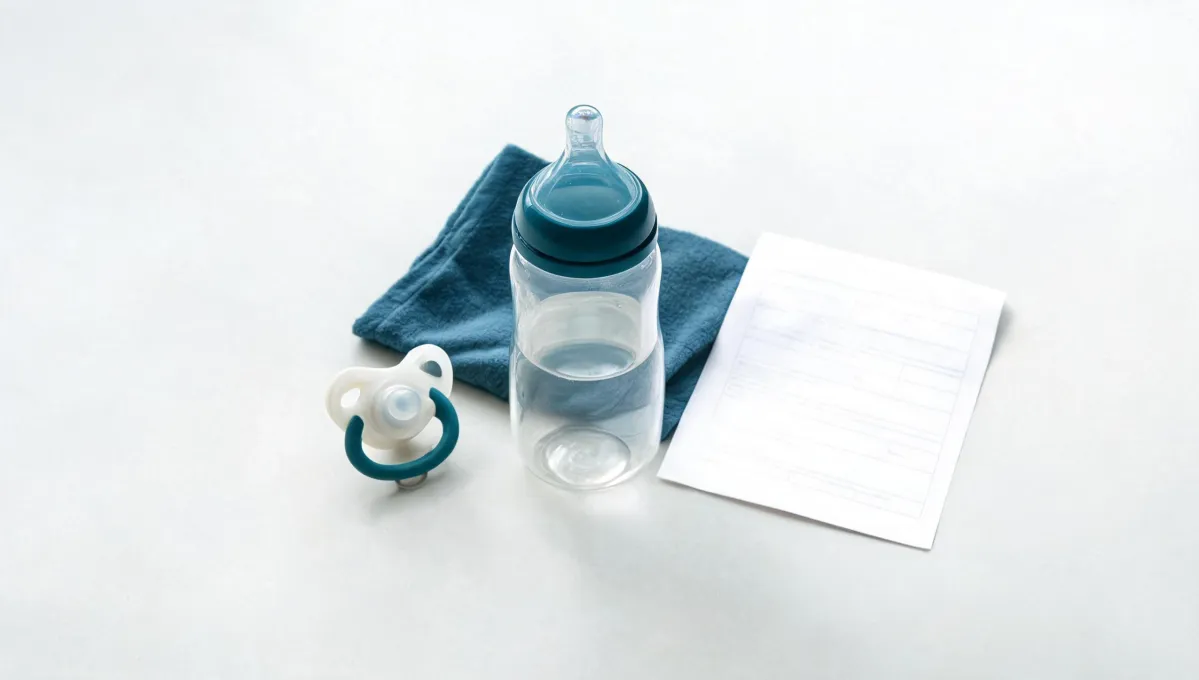
Choosing the right baby bottle often feels like a trade-off between safety, cost, and convenience. The nanobebe Flexy Silicone Baby Bottle resolves much of that tension by combining food-grade silicone with a flexible design and a practical range of sizes, all at a mid-range price. Many parents assume glass is the only safe option or that silicone bottles are hard to clean; the Flexy addresses both concerns. Its baby-safe material and thoughtful cleaning ecosystem make it a low-barrier choice for most families, and the real question is how well it fits your daily feeding routine.
Defining the Flexy Silicone Bottle
According to nanobebe's official product listings, the Flexy Silicone Baby Bottle is available in two capacities: a 5oz version priced at $16.99 and a 9oz version at $18.99. The 5oz bottle's regular price is listed at $17.99, so the current sale price represents a small but meaningful saving. The 9oz bottle sells for $18.99. Both sizes are part of the brand's award-winning anti-colic bottle line, which nanobebe says is made with safe materials. The official store also offers free shipping on orders over $50, which means if you purchase two bottles—one of each size or a pair of the same size—you can avoid shipping costs entirely. These details position the Flexy as a deliberately mid-priced silicone option: not the cheapest plastic bottle, but also nowhere near the expensive glass sets that can feel like a serious financial commitment. For parents comparing bottles, seeing the exact price and size options removes a lot of guesswork from the decision.
Nanobebe's company mission, described on its About page, emphasizes creating thoughtful, research-driven solutions that support the bond between parent and child. The brand says every product in its ecosystem is designed to simplify daily routines, and its award-winning lineup reflects a commitment to quality. For a new parent, this background matters because a bottle is not just a passive container; it is part of a feeding system that should feel safe and easy to use. Choosing a brand that explicitly prioritizes safety and meaningful design reduces the anxiety that often accompanies buying baby gear. When you hold a Flexy, you are holding the result of a company that set out to earn trust, not just to sell a product.
A persistent myth is that glass is the only truly safe bottle material. Nanobebe's website addresses this directly, emphasizing its commitment to safe materials and thoughtful design; the Flexy is a silicone bottle in that lineup. Unlike glass, silicone does not shatter if dropped, which eliminates a real injury risk during midnight feedings. Silicone also sidesteps the BPA concerns that many parents associate with clear plastic. None of this means every silicone bottle is automatically flawless; the quality of the material and the manufacturer's processes matter. But the blanket rule that 'only glass is safe' is outdated. What actually protects a baby is a combination of safe materials and careful cleaning—and the Flexy addresses both, as we will see.
Understanding Silicone Design and Anti-Colic Engineering
The Flexy's silicone body is designed to be gentle on delicate skin and gums. Food-grade silicone is naturally free of BPA and similar endocrine-disrupting compounds that have made many parents wary of conventional plastic bottles. The material is also flexible, which is not just a convenience but a safety feature: if a baby drops it or throws it, the bottle is far less likely to cause injury than glass. Moreover, the flexibility contributes to how the bottle functions, allowing it to collapse slightly as the baby drinks, which reduces the amount of air swallowed. The brand's award-winning design claim signals that these features were thought through rather than added as afterthoughts. When a bottle combines safe materials with thoughtful mechanics, the payoff is a feeding experience that feels safer and more comfortable for both baby and parent.
The Flexy is part of nanobebe's anti-colic bottle lineup, and that label points to a specific set of design choices. The flexible silicone body is central: as the baby draws milk, the bottle can gently flex, helping to maintain an even flow and reducing the vacuum that can trap air in the stomach. The nipple is shaped to work with the bottle's flexibility, and anti-colic vents are integrated into the design to limit air intake. When less air reaches the baby's tummy, gas and spit-up are less likely, which means fewer interrupted sleep sessions and less fussiness. While no bottle can guarantee a completely colic-free baby, the mechanism is grounded in the physics of feeding—reducing air means reducing the main trigger for colic. For parents who have watched their newborn writhe in discomfort after a feeding, a bottle engineered to minimize that risk is more than a marketing promise; it is a practical tool for calmer days.
The Flexy is not an isolated product; it is the center of a growing ecosystem. Nanobebe sells Quick-Click Handles in a two-pack, replacement silicone anti-colic nipples, and even coordinated pacifiers that share the same material family. On the maintenance side, the lineup includes a slim drying rack, an electric bottle brush (E-Brush), a microwave steam sterilizer, and replacement brush heads. This ecosystem matters because it means you can adapt the same bottle as your baby grows: attach handles when your little one starts to grip, switch to a faster-flow nipple when feeding becomes more efficient, and always have a clean spare handy. Instead of buying a brand-new set when your needs change, you make small, affordable additions. That flexibility is a hidden cost advantage that only becomes obvious after a few months of use.
Keeping Feedings Safe with a Cleaning Protocol
Proper cleaning is not just a chore; it is a genuine safety measure. The U.S. Centers for Disease Control and Prevention published its first formal pump-part cleaning guidelines after a preterm infant's death was linked to Cronobacter sakazakii, a bacterium that thrives in damp environments. Investigators traced the bacteria to the family's home sink, where the mother had soaked pump parts in hot soapy water for several hours before rinsing and air-drying them. That case is a stark reminder that leaving bottle or pump parts to soak can create a breeding ground for harmful microbes. For a newborn, especially a premature or immunocompromised infant, the consequences can be catastrophic. Understanding this risk is what turns cleaning from an optional extra into an essential part of safe feeding.
The cleaning routine itself is simple once you break it into steps. After every feeding, disassemble the bottle completely—separate the nipple, collar, and any vent pieces. Rinse each part under warm running water to remove leftover milk. Next, wash everything in hot, soapy water using a clean bottle brush, paying special attention to the nipple and threads where film can hide. Rinse thoroughly, then place the parts on a drying rack that allows air to circulate so no moisture gets trapped. For babies under three months, for premature infants, or when your child has been ill, sterilize the parts daily using a microwave steam sterilizer or by boiling them for a few minutes. The key is consistency: do not let parts sit in water or on the counter for hours, because that is exactly how the bacteria in the CDC-linked case established a foothold. Wash soon after use, dry completely, and sterilize when needed.
Nanobebe has designed a cleaning system that works with the Flexy's specific shape. The brand's store features a slim drying rack sized for bottle parts, an E-Brush electric bottle brush that spins to reach tight corners, a microwave steam sterilizer, and replacement brush heads. These are not generic accessories; they are made to fit Flexy components, so you do not have to guess whether a universal brush will reach the silicone nipple or clean the narrow collar properly. You can also buy extra nipples or handles, which lets you keep one set in use while another dries. A matched set of cleaning tools reduces the effort required, and lower effort means you are more likely to maintain the routine every single time. That consistency, as we have seen, is what protects your baby from cleaning-related risks.
Choosing the Flexy with a Simple Rule
So who is the Flexy really for? It suits parents who want a bottle that can grow with their child without requiring a brand switch. The 5oz size covers the first few months, and the 9oz size carries into older infancy, so one purchase can last through several stages. It is also a natural fit for caregivers who prefer silicone over plastic or glass—whether because they worry about shattering or because they want a material with no BPA-related concerns. The brand's HSA/FSA eligibility, noted on its product pages, sweetens the deal for families with health savings accounts. And because nanobebe's mission is built around thoughtful, research-driven design, the Flexy attracts parents who value deliberation over impulse. If you are the type of person who reads labels, compares materials, and plans ahead, the Flexy's design and ecosystem will feel like they were made for you.
From a cost perspective, the Flexy sits comfortably between budget plastic bottles and premium glass sets. A single 5oz Flexy sells for $16.99, and the 9oz costs $18.99, with the 5oz occasionally listed at a regular price of $17.99 before sale. If you buy two bottles—say one of each size—you will likely pass the $50 free-shipping threshold, saving the delivery fee. Against premium glass bottles that can cost significantly more, the Flexy is a moderate investment. The deeper value lies in the ecosystem: instead of buying a whole new set when your baby's needs change, you buy replacement nipples for $5.99 or a pair of Quick-Click Handles, and the same bottle keeps working. Over several months, that lowers the total cost of ownership in a way that a single price tag does not reveal.
Here is a simple decision rule to apply when you are weighing your options. Choose the Flexy if you want a silicone bottle with two practical sizes—5oz for early months and 9oz for later—and if you value a brand that provides the cleaning and accessory tools you will need for the long haul. If your absolute priority is the lowest possible price, a basic plastic bottle may be cheaper upfront, but consider whether it offers the same material peace of mind. If you prefer the weight and feel of glass and are willing to pay more, a glass bottle may be a fine choice. But if you are looking for the best balance of silicone safety, flexible capacity, and a complete support system, the Flexy is the bottle that checks those boxes. The right choice is not about an abstract 'best bottle'; it is about which trade-offs make sense for your family's daily life.
From the first 5oz bottle to the later 9oz stage, the Flexy is engineered to adapt, and its cleaning ecosystem is built for real life. When a bottle supports both your baby's safety and your daily rhythm, it stops being just a product—it becomes part of the routine.

Jane Smith
I’m Jane Smith, a senior content writer with over 15 years of experience in the packaging and printing industry. I specialize in writing about the latest trends, technologies, and best practices in packaging design, sustainability, and printing techniques. My goal is to help businesses understand complex printing processes and design solutions that enhance both product packaging and brand visibility.