Nanobebe Flexy Silicone Baby Bottle: A Soft, Anti-Colic Choice for Modern Feeding
Posted on 2026-08-14 by Jane Smith
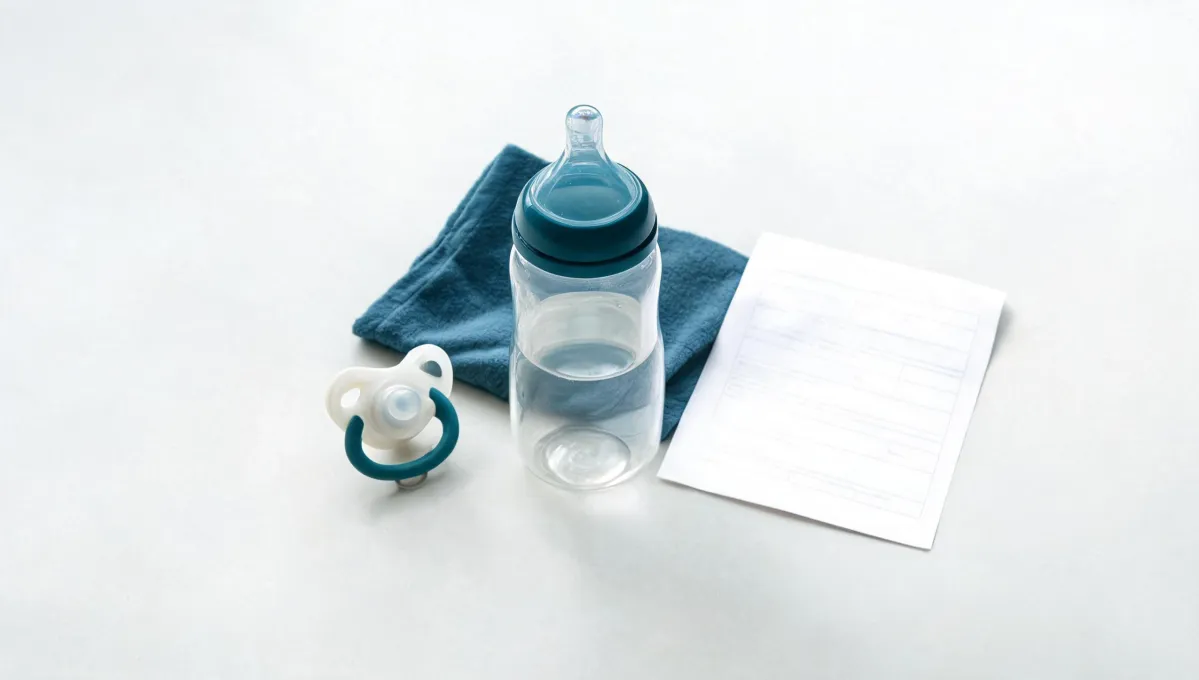
The Nanobebe Flexy Silicone Baby Bottle is a full-silicone, award-winning anti-colic bottle that makes the breast-to-bottle transition easier. Unlike standard bottles with a soft nipple attached to a rigid plastic body, the Flexy is flexible from top to bottom, so it collapses gently with your baby's sucking rhythm. If you are weighing a soft, breast-like feel against durability and cleaning concerns, this bottle is a practical choice worth serious consideration.
The Nanobebe Flexy Silicone Bottle: A Soft, Anti-Colic Design for Easier Feeding
Many parents assume that a 'silicone bottle' simply means the nipple is made of silicone, while the rest of the bottle is the same rigid plastic they have always used. That assumption misses the defining feature of the Nanobebe Flexy. The entire body of this bottle is made from flexible, baby-safe silicone, which is precisely why Nanobebe lists it under its award-winning anti-colic category on the official site. The brand's homepage opens with 'Award-Winning Baby Care Products' and features the Flexy Silicone Baby Bottle alongside its 5oz and 9oz sizes, signaling that this is not a cosmetic trend but a deliberate functional design. In other words, when you pick up a Flexy, the softness you feel is not limited to the teat—the whole feeding vessel is engineered to move with your baby's feeding pattern. For a parent who has struggled with a baby who refuses a rigid bottle, that difference can be the deciding factor. And because the bottle is flexible, it also feels warmer and more natural in a baby's hands, which can ease the transition from breast to bottle. So the next time you hear 'silicone bottle,' remember that this one takes the concept literally: the bottle itself is silicone.
The Flexy comes in two practical sizes: 5oz and 9oz, so you can choose the right capacity as your baby grows. On Nanobebe's store page, the 5oz version is listed at $16.99 (regularly $17.99), while the 9oz is $18.99—a modest price for a full-silicone bottle with an anti-colic design. The material itself does more than feel nice. Because the walls are flexible, the bottle gives under the vacuum your baby creates while sucking, which helps prevent the bottle from collapsing inward too quickly and reduces the amount of air your baby swallows. That is the same reason the Flexy is grouped with Nanobebe's other anti-colic products: the soft structure is part of the feeding mechanism, not just a texture preference. The design also makes the bottle easier for small hands to grip during independent feeding practice, and the wide neck makes filling and cleaning straightforward. Whether you prefer to prepare formula or use expressed milk, the Flexy holds up well to daily use and repeated sterilization without warping or clouding.
Why a Flexible Silicone Body Changes the Feeding Experience
Does a flexible bottle body actually change the feeding experience, or is it just marketing? It changes the experience in a measurable way, and the reasoning comes straight from the brand's research-driven approach. Nanobebe states that its mission is to create 'thoughtful, research-driven solutions' that 'support the bond between you and your little one.' That philosophy is visible in the Flexy's mechanism. When a baby drinks from a conventional rigid bottle, the negative pressure inside the bottle builds up with each suck, and because the walls cannot move, the baby has to pause and swallow air to equalize the pressure. The Flexy's silicone walls collapse inward just enough to compensate for the volume of milk being removed. The result is a smoother, more continuous suck-swallow pattern that mimics breastfeeding. This collapse-and-release motion also keeps the milk flowing at a steady rate, which can reduce gulping, coughing, and the frantic stop-start feeding that many parents see with hard bottles. In short, the flexible body is not a gimmick; it is the mechanism that makes the anti-colic label meaningful.
Nanobebe's official storefront makes the anti-colic positioning explicit. The homepage features a dedicated category for its award-winning anti-colic bottles, and the Flexy Silicone Baby Bottle sits there in both 5oz and 9oz sizes. The 'award-winning' descriptor is important because it suggests outside recognizers—parenting organizations, industry juries, or consumer panels—have evaluated the design, not just the company's own claims. The practical effect of the flexible body is that fewer air bubbles form in the milk during feeding. When fewer bubbles enter the tummy, your baby has less gas, fewer spit-ups, and a calmer overall feeding. Many parents report that babies who previously squirmed or pulled away during bottle feeds settle more easily on the Flexy, though every baby is different. Even if your baby is not colicky, the anti-colic feature can still make feedings more comfortable. And because the bottle has no complicated valve system to clean—the soft walls do the work—there is one less piece to lose or assemble incorrectly.
How to Introduce the Flexy Bottle and Keep It Hygienic
Once you understand why the design works, the next practical questions are: Will my baby actually accept this bottle, and how do I keep it clean? The first question has no universal answer, but there are steps you can take to improve the odds. Introduce the Flexy when your baby is calm and just starting to feel hungry, rather than at the height of a meltdown. Offer the bottle with a drop of expressed milk on the nipple so your baby connects it with a familiar taste. Some babies need several attempts before they accept a new texture, so don't be discouraged if the first try is a struggle. Hold your baby in a semi-upright position and tip the bottle so the nipple stays full of milk, which prevents your baby from sucking in air. The Flexy's breast-like flexibility can help, but it cannot replace the basic techniques of paced bottle feeding. The second question—cleaning—is where silicone demands your attention, as we'll see next.
The cleaning protocol for the Flexy is no more complicated than for any other baby feeding system, but it is non-negotiable. The CDC published its first formal breast pump cleaning guidelines in 2017 after a preterm infant developed a severe Cronobacter sakazakii infection linked to contaminated pump parts. That case, documented in the supplemental guides, is a powerful reminder that every surface that touches milk—including silicone—must be washed and sterilized consistently. For the Flexy, this means disassembling the bottle completely after every use: unscrew the collar, remove the nipple, and separate any valves. Rinse each part under warm running water to remove milk residue, then wash with liquid dish soap and a dedicated bottle brush, paying special attention to the nipple holes and the inside of the silicone body. Air-dry all parts on a clean rack, because trapped moisture can breed bacteria. At least once a day—or weekly, depending on your pediatrician's advice and how often you sterilize—boil the parts for five minutes or run them through a steam sterilizer. Silicone handles this well, and the flexible body makes it easy to see whether any residue remains. The key takeaway: silicone is not self-cleaning. It requires the same diligence as any pump or bottle part.
To keep the routine quick, wash the Flexy parts immediately after a feed—congealed milk is much harder to remove. Keep a dedicated brush and drying rack near the sink so you never have to hunt for them. If you use a dishwasher, place the small parts in a mesh basket on the top rack, but hand washing is gentler and lets you check for leftover film. For introducing the Flexy, try paced feeding: hold your baby in a semi-upright position, let them take a few sucks, then gently tip the bottle down so the nipple empties and your baby can pause. This mimics the natural ebb and flow of breastfeeding and prevents overfeeding. If your baby is used to a different bottle, make the switch gradually—begin with one Flexy feeding per day and increase as your baby becomes comfortable. And if you are preparing formula, warm it to about body temperature and swirl, never shake, to avoid extra bubbles. With these small habits, the Flexy can fit seamlessly into your daily routine.
Who Should Choose the Nanobebe Flexy Bottle
Who should choose the Nanobebe Flexy? The clearest verdict is for parents who want a soft, breast-like bottle with genuine anti-colic features and are willing to follow a consistent cleaning routine. Nanobebe's official category label—an award-winning anti-colic designation—tells you that this is a flagship product, not a side experiment. If your baby is fussy at feeds, swallows a lot of air, or flat-out refuses rigid bottles, the Flexy offers a different experience: a bottle that gives with your baby instead of standing stiff. The price range of $16.99 to $18.99 puts it on par with many premium plastic bottles, so you are not paying a huge premium for silicone. And because the whole body is flexible, it is also more forgiving when dropped—a point that matters to any parent who has watched a hard bottle skitter across the floor. For parents who have tried a dozen bottles and still feel like something is missing, the Flexy is worth a place on the shortlist.
That said, the Flexy is not the perfect bottle for every situation. If your baby has a medical condition like severe reflux, oral motor difficulties, or a diagnosed milk protein allergy, talk to your pediatrician before making a switch. Some parents find the flexible body a bit more tricky when scooping in formula powder—the bottle can squish under pressure—so it helps to fill it while holding the sides. And if you store the bottle with the cap tightly sealed, the soft walls can compress and pop the nipple out; a quick check before feeding solves that. Older babies who want a faster flow may need the 9oz size with a faster-flow nipple, while newborns often do better with the 5oz and a slower flow. With a little patience and the right technique, the Flexy can become a dependable part of your feeding routine—but it is not a miracle cure. If a baby simply dislikes bottle feeding altogether, no bottle alone will overcome that.
Final verdict: the Nanobebe Flexy Silicone Baby Bottle earns its place in a parent's cabinet when softness, anti-colic support, and a realistic cleaning routine are your priorities. It will not transform a difficult feeder overnight, and it demands the same hygiene diligence as any silicone part. But it offers something genuinely different: a bottle that works with your baby's sucking rhythm rather than against it. If that sounds like the feeding experience you want, the Flexy is a worthwhile, moderately priced option to try.

Jane Smith
I’m Jane Smith, a senior content writer with over 15 years of experience in the packaging and printing industry. I specialize in writing about the latest trends, technologies, and best practices in packaging design, sustainability, and printing techniques. My goal is to help businesses understand complex printing processes and design solutions that enhance both product packaging and brand visibility.